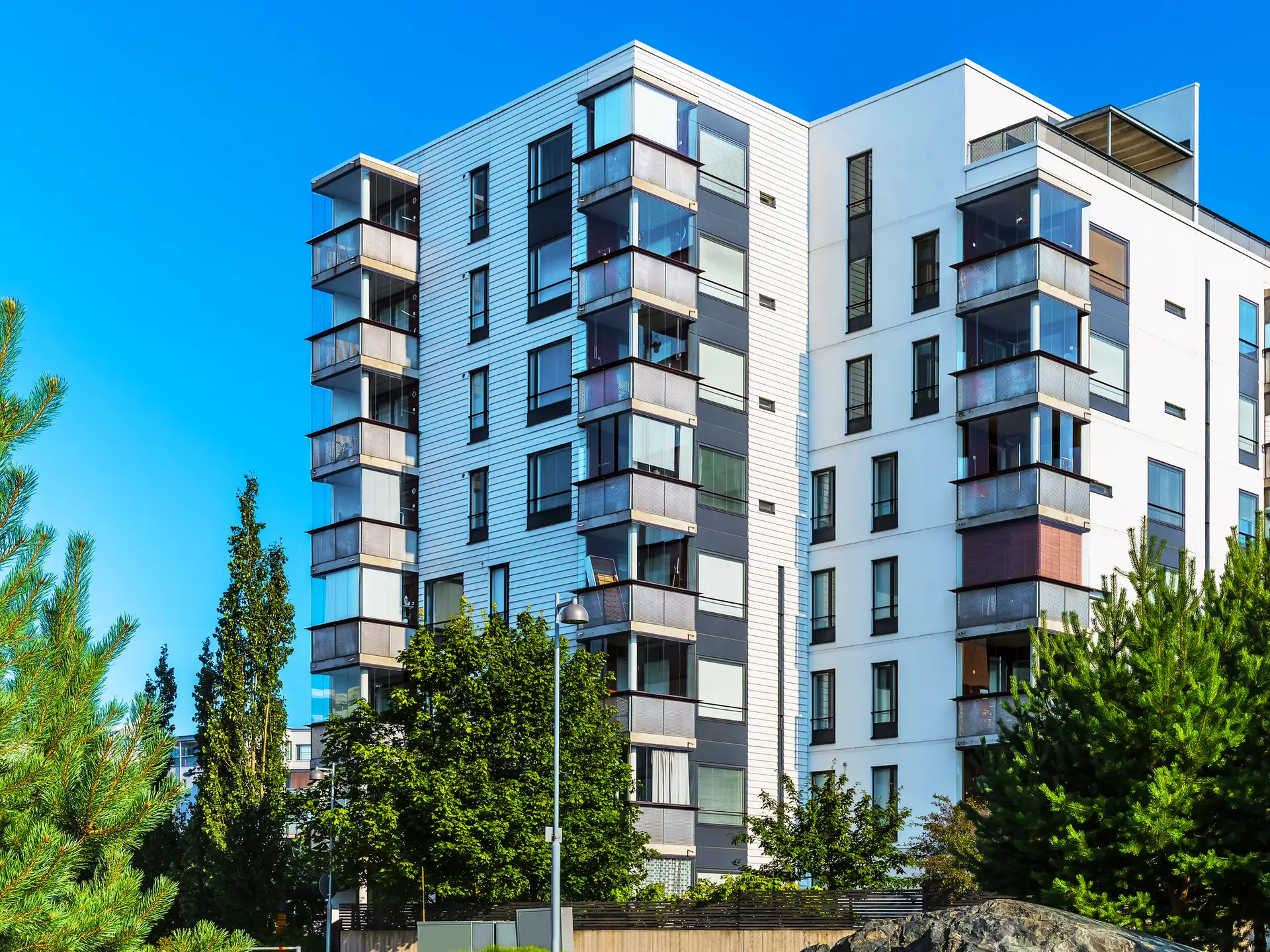




Building Demolition
Is it possible to demolish a residential area consisting of 52 homes in Spain?
The answer to this question is simple: as we have mentioned in several articles, buyers must be very careful when purchasing property in Spain and should understand that they must use the services of lawyers who are independent of both the developer and the real estate agency listing the property for sale.
This page contains many articles on the steps to take and the care required, but now we’re going to discuss a ruling issued by a Spanish court that addresses the question posed in this article.
The case concerns a residential area that was built on a natural site near the seashore on land designated as off-limits for the construction of special coastal protection works.
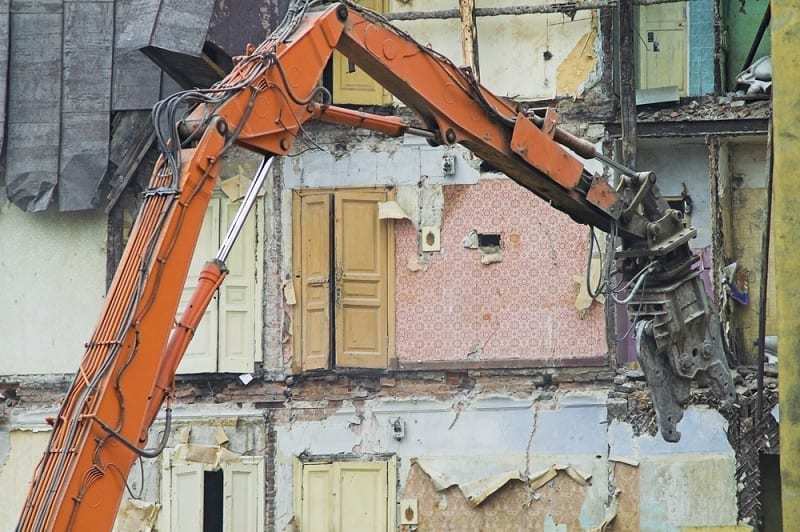
As we have noted many times, residential use and urban subdivisions are prohibited on this type of land.
Developer and Buyers
The developer sold the homes, and then the buyers were faced with the problem of an administrative penalty, in a case involving a zoning violation, with buyers also required to pay for the demolition of the entire residential area, including their homes.
Private buyers of single-family homes in that residential area argued that the developer had built the residential area on that day under the protection of a building and operating permit intended for tourism-related use.
According to the court, this was not done because what actually happened was that a private residential development consisting of 52 attached houses with utilities was built and sold to private individuals.
Following the trial—the details of which we will not go into because they are irrelevant to the point we wish to make in this article— Administrative Court No. 1 of Pontevedra has dismissed the buyers’ claims, upheld the Authority’s decision, and ordered the demolition of the entire residential area and the 52 villas, leaving the buyers with no recourse other than to file a claim against the developer—which, given the passage of time, likely no longer even exists.
This therefore illustrates what we often say on our website: investors should exercise caution and seek sound advice when making a purchase in Spain, and should not be swayed by appearances.
If these buyers had sought our advice, for example, they would never have bought there because, as you can see on our website, there are many articles where we explain the steps to take before buying, and one of the most important is to find out and verify whether the seller has a license and what type of license it is. In short, it’s about verifying the legality of the construction.
It’s important to realize that once a developer completes a building or residential complex, the company is dissolved and ceases to exist; and when the developer undertakes a new project, they do so by forming a new company, thereby distancing themselves from any issues that buyers may face.
So, as you know, be very careful when making a purchase—and what better precaution than to consult a law firm? We’re here to assist you with our experience, expertise, and professionalism, so you can always invest with peace of mind, free from problems or stress. Don’t hesitate to consult our attorneys.
We recommend visiting the Real Estate Law