


Joint ownership, also known as co-ownership, involves multiple individuals sharing ownership of the same property. Ownership can be divided in various ways, but typically each owner holds a percentage share of the property. In the following sections, we will discuss the division of joint ownership and the right of use.
Division of Joint Property
When it comes to dividing jointly owned property, there are several options. One option is to physically divide the property, but this is not always possible or practical. Another option is to sell the property and divide the proceeds among the owners. However, this may not be desirable if some of the owners wish to keep the property.
A common solution for dividing property is to split it into separate parts; each owner will have exclusive rights to one or more of those parts.
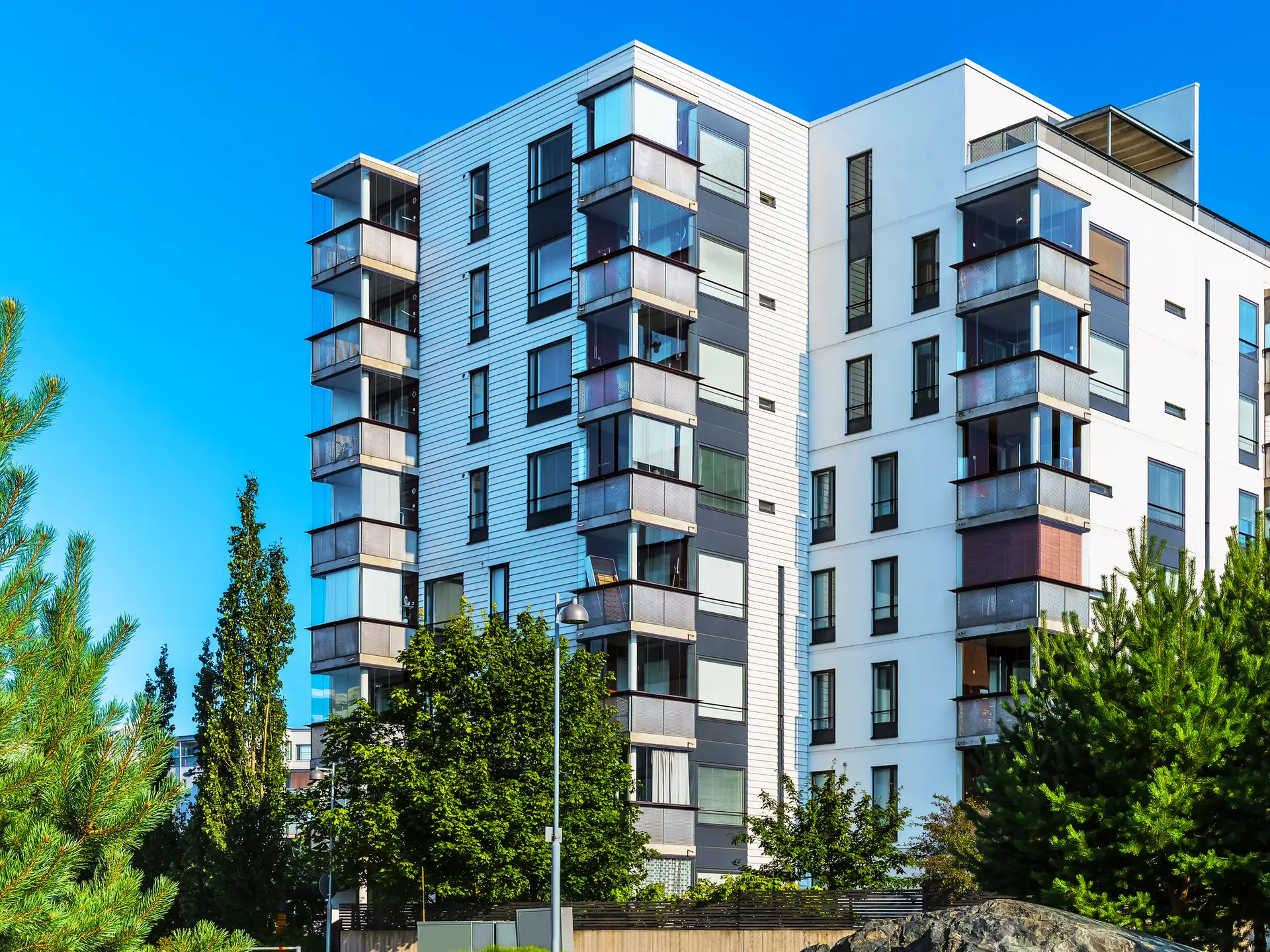
For example, in a condominium complex, each unit is generally owned by an individual owner. On the other hand, common areas such as the pool, the gym, and the parking lot are owned by all the owners collectively.
The division of the property may be determined by the percentage of ownership held by each owner, or by agreement among the owners. For example, if there are three owners, they could agree that each one has exclusive rights to one-third of the property.
Right of use
In addition to the division of common property, the joint ownership It also entails the right to use the property. The right of use may be exclusive or shared, and can be determined in various ways.
Exclusive use
If an owner has exclusive use of a portion of the property, they have the right to use that portion without interference from other owners. For example, in a condominium complex, each owner typically has exclusive use of their unit but shared use of the common areas.
Sharing
If an owner has agreed to share the use of a portion of the property, they must share that portion with the other owners. This can lead to problems if there are disagreements about how the shared portion should be used.
For example, if two homeowners share a backyard, one of them may want to plant a garden. However, the other may want to use the space for a barbecue area. In these situations, it is important for the homeowners to reach an agreement on how the shared space will be used.
Restrictions on Use
In some cases, the right of use may be restricted. For example, in a condominium complex, there may be rules governing the use of common areas, such as the pool, the gym, or the parking lot.
These rules may restrict the times of day when the facilities can be used. Or they may prohibit certain activities, such as smoking or playing loud music.
Enforcing rights in common property

When it comes to enforcing common property rights, there are several strategies that can be employed. If one owner interferes with another owner’s exclusive right to use their share of the property, the affected owner may take legal action.
These actions may include seeking a court order to prevent the interfering owner from using the shared portion of the property. In addition, one may seek damages for any harm caused by the interference.
If there are disagreements about how the shared portion of the property should be used, the owners can try to reach an agreement through negotiation or mediation.
If this does not work, you may need to take legal action to resolve the dispute.
Sharing a property can present challenges when it comes to dividing common areas and rights of use.
However, it is best to understand the options for dividing the property and determining the rights of use. It is also important to work together to reach agreements on shared use, so that the owners can successfully navigate the challenges of co-ownership.