




Until now, it was not common in Spain to obtain a compensation for having suffered pretrial detention even though he was later acquitted at trial.
In such cases, the law recognized the right to compensation only if an acquittal had been obtained because the person’s innocence had been proven—that is, because it had been proven that the crime had not been committed. crime.
Compensation for Pretrial Detention
The right to compensation did not apply in cases of acquittal due to lack of evidence. Thus, the right to compensation was recognized only if it could be demonstrated that the government had erred, and this was understood to apply only in cases where there was a judgment in which the person is found not guilty because it has been established that they did not participate in the events.
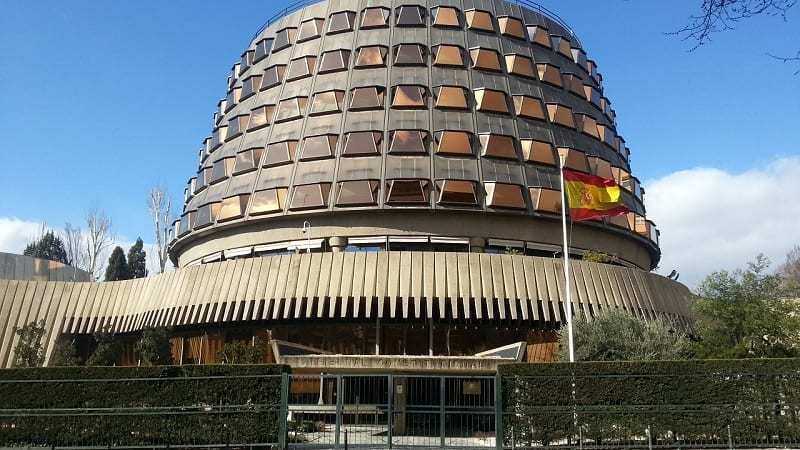
But in cases where the verdict stated that guilt could not be proven, well, in those cases it was understood that no crime had been committed error by establishing the pre-trial detention, because the trial had been necessary. Well, that is about to change.
Well, the Constitutional Court It appears that this will be changed in the coming days as a result of a ruling that has been issued and that indirectly addresses this issue.
These days, compensation is rarely awarded, except in the rare cases where the defendant is acquitted or the case is dismissed before trial.
It appears that a ruling will be issued overturning part of Section 294.1 of the law, meaning there will be no limit on the amount of such compensation that can be received upon recognition of that right.
The Constitutional Court's action is the result of various rulings by Strasbourg who considered it discriminatory that some detainees were compensated while others were not, simply because their innocence was in question.
If only some were compensated, it was because there was no certainty as to whether the others were innocent or not; thus, the shadow of doubt constituted a serious violation of their right to be presumed innocent.
Now it appears that the Constitutional Court is leaning toward recognizing all preventive who are not convicted