




It is a crime with historical roots; defamation was already mentioned in the Law of the Twelve Tables of Roman law. Since then, its legal treatment has evolved.
Insults in the Spanish Penal Code: A Practical Guide
Below, we explain the legal framework governing defamation under the current Spanish Penal Code, how defamatory statements are classified, what evidence is admissible, and what avenues (criminal and civil) are available for filing a claim or defending oneself.
Basic Legal Framework
Insults are part of the crimes against honor. They are regulated in the Articles 208 et seq. of the Penal Code (Chapter II, Title XI). The Art. 208 of the Penal Code defines defamation as an action or statement that undermines dignity of another person, thereby damaging that person's reputation or undermining their self-esteem. The typical act may be committed by word, writing, or representation, and its criminal significance depends on its gravity and, if applicable, the advertisement so that it can be shared.
What Does NOT Constitute a Criminal Defamation
Harsh, satirical, or uncomfortable criticism not always is defamatory. Case law requires gravity and a unnecessary excess with regard to freedom of expression. The truthfulness of the facts and the public interest may serve as limits on punishment, without making insults that lack an informative purpose lawful.
Types of Defamation
Minor Insults: The Situation Following the 2015 Reform
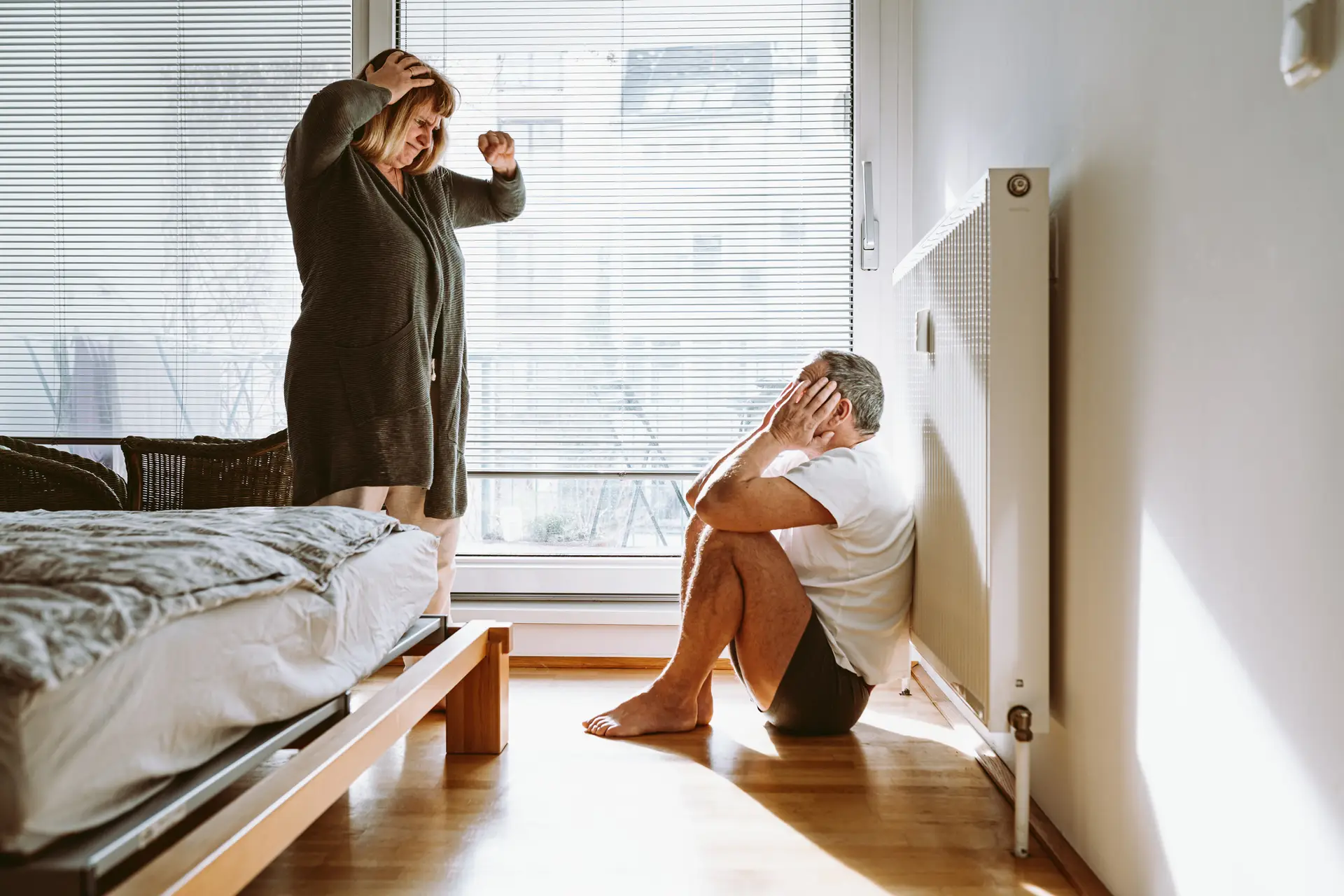
As of July 1, 2015, it has been decriminalized in general, the former offense of minor defamation (repealed under Art. 620.2 of the Penal Code). However, the legislature retained criminal protection when minor defamation falls under domestic or gender-based violence, in accordance with the Art. 173.2 of the Penal Code and related provisions, as they affect dignity in the context of specially protected relationships.
Minor defamation remains a punishable offense when the following are involved:
- Spouse or former spouse, current or former partner in a similar romantic relationship.
- Ancestors, descendants, and immediate relatives by blood or marriage.
- Minors or people with disabilities who require special protection.
- Vulnerable individuals receiving care at public or private facilities.
The penalties for these offenses (Art. 173.4 of the Penal Code) range from permanent location, community service projects o fine, in installments determined by the court based on the severity and circumstances of the case.
Image
Serious Defamation and Advertising
The following are considered serious expressions or acts that, by their nature and effects, exceed mere discourtesy and constitute a serious attack to honor. The Art. 209 of the Penal Code provides for the penalty of fine, and the Art. 211 of the Penal Code Liability is aggravated when the defamation is committed with advertising (for example, in the media, on posters, on websites, or on social media), which increases the amount of the fine. Mass dissemination, amplified by digital platforms, is considered to exacerbate the harm.
Insults on Social Media: Practical Guidelines
Dissemination and Multiplier Effect
Posting an insult in front of a few witnesses is not the same as sharing it on a profile with thousands of followers or in open groups. The range power It determines the classification and the sentence. The more widespread the offense, the greater the potential criminal penalty.
Data, photos, and tags
The use of personal information, images, or tags that identify the victim increase the gravity. It can also open up new fronts of data protection and defamation through civil proceedings.
Digital Testing
It is advisable to keep screenshots, URL, date and time, and, if possible, a notarial certificate of attendance or an electronic seal certifying the existence of the content. Technical evidence helps prevent subsequent deletions.
Key Elements for Proving Defamation
Objective Severity and Context
The following is evaluated: language employee, the context (debate, humor, political commentary), the intention and the proportionality. The courts do not penalize scathing criticism when it serves an informative purpose; they do, however, penalize unprovoked insult that is demeaning without adding any public significance.
Advertising and Actual Reach
The number of receivers, the multiplication for sharing/retweeting and the continuity content (search engine index, cache, forums).
Damage and Repair
The existence of harm (reputational, professional, or emotional) and the retraction or the prompt removal of the content affects the criminal liability and, above all, civil damages.
Criminal and Civil Proceedings: When to Use Each
Private Offenses and Criminal Complaints
Defamation is, as a general rule, a private offense: requires complaint from the victim or the victim's representative. In certain cases, a preliminary conciliation proceeding or withdrawal in order to move forward. The Public Prosecutor’s Office intervenes only in cases involving the public interest or victims who are subject to special protection.
Civil Action for Defamation
In addition to or instead of criminal proceedings, it is possible to file a claim for Organic Law 1/1982 the unlawful infringement of one's reputation, looking for termination, correction and compensation. This approach is usually preferable when the goal is to financial compensation and the withdrawal content-related, without criminal litigation.
Defense Against a Defamation Charge
Common Strategies
- Atypicality: It was a matter of criticism or a value judgment protected by freedom of speech.
- Lack of publicity or limited circulation, which lessens the criticism.
- Retraction and prompt removal of the content as a mitigating factor.
- Exception of Truth In the context of defamation; in cases of slander, truth does not justify the insult, but the public interest and proportionality do matter.
Frequently Asked Questions
What is the procedure for filing a complaint for defamation?
The attorney analyzes the facts, evaluates the evidence, and, if appropriate, files complaint before the competent investigating court. An attempt may be made to reach a prior settlement of reconciliation or withdrawal. In cases involving specially protected victims, the Public Prosecutor’s Office may take action.
What about minor defamation offenses that are no longer criminal offenses?
They fall outside the scope of criminal law, except in cases of Art. 173.2 of the Penal Code. When there are no criminal implications, the appropriate course of action is the civil (honor, rectification, and compensation).
How much does a criminal defense attorney cost in Alicante?
It depends on the complexity, duration of the procedure, and technical tests. As a general guideline, fees may be set based on stage of the proceedings or by time (typical rates range from 50 to 250 euros per hour).
How do I prove defamation on social media?
Preserve screenshots, URL, metadata if possible, and create a notarized document or use an electronic seal to preserve evidence. File a request with the court requirements to the platform for preserving records.
The Opinion of Carlos Baño Abogados
In the event of a possible defamation, we recommend acting with speed: document the post or message, Don't respond impulsively and seek legal advice to determine the most effective course of action (criminal or civil). Our team can collect electronic evidence, to file the complaint or demand for honor and demand the withdrawal content and the compensation relevant. If you are charged, we will evaluate defenses based on freedom of speech, context, proportionality and lack of advertising.
If you need immediate assistance, please contact us at Carlos Baño Law Firm o Find us on Google Maps.